Introduction
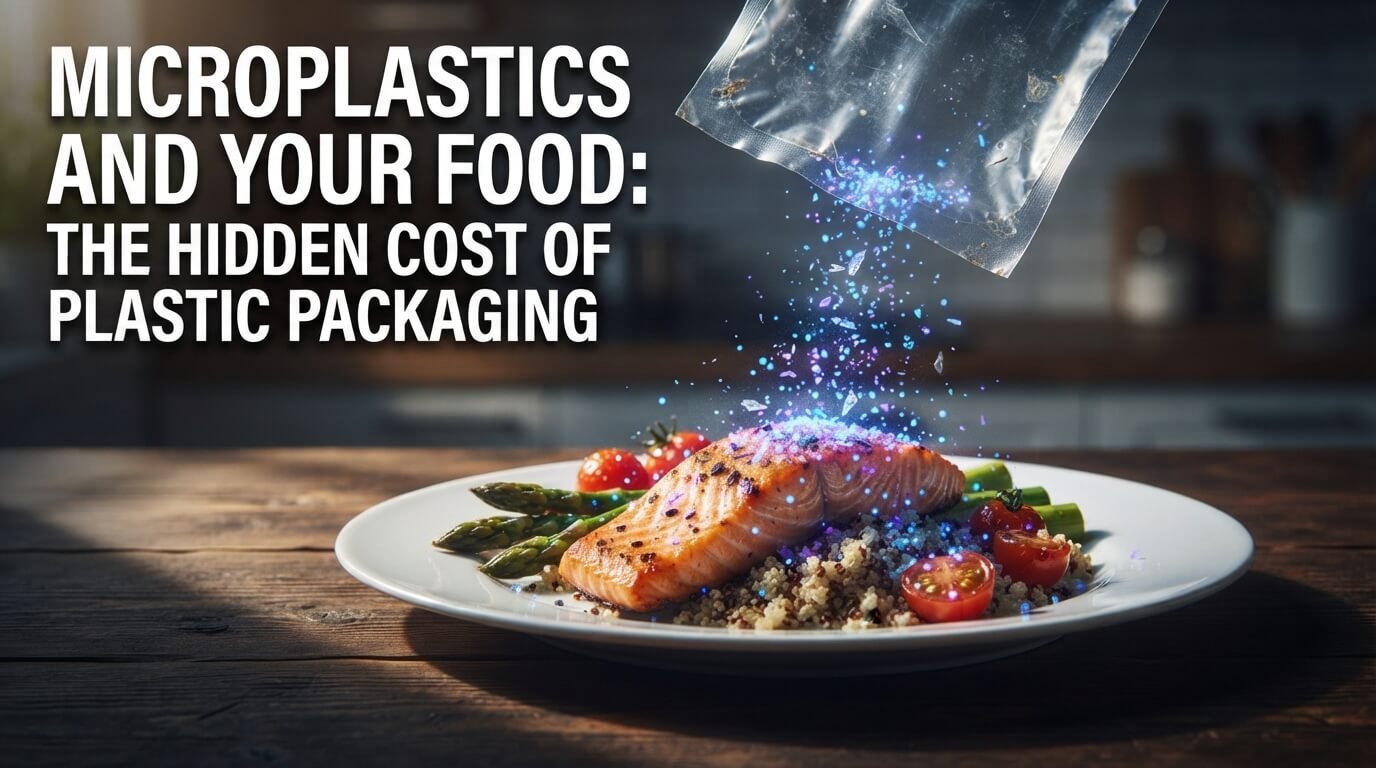
Microplastics—tiny plastic particles less than 5mm in size—have been found in the most remote corners of the planet, from the Mariana Trench to the Arctic ice. But what you might not know is that they are also in your food. A growing body of research reveals that food packaging is a major contributor.
The Shocking Statistics
- 5 trillion microplastic particles are floating in our oceans (National Geographic).
- An average person consumes 5 grams of plastic per week—roughly the equivalent of a credit card (WWF).
- Studies show that 90% of table salt contains microplastics.
- Seafood, honey, beer, and even drinking water are contaminated.
Where Do Microplastics Come From?
Food packaging made from conventional plastics (PET, PP, PE) sheds microplastics through wear, heat, and even simple contact with food. When you microwave food in plastic containers, the rate of particle release skyrockets—up to 4 million particles per square centimeter.
"Microplastics are not just an environmental problem; they are a public health crisis. We are eating, drinking, and breathing them." — Dr. Mark Browne, University of New South Wales
Health Impacts
Recent studies link microplastic exposure to inflammation, oxidative stress, and disruption of the endocrine system. The chemicals used in plastics—like BPA and phthalates—can leach into food and affect hormonal health. The long-term effects are still being studied, but early evidence is alarming.
How Sustainable Packaging Helps
Switching to plant‑based, compostable materials like bagasse and kraft paper eliminates the microplastic risk entirely. These materials break down into organic matter and do not shed synthetic particles. By choosing Greeneye Ecopack, you are not only protecting the environment but also safeguarding your customers' health.
What You Can Do
- Switch to plastic-free packaging for your food business.
- Avoid heating food in plastic containers.
- Support policies that reduce single‑use plastics.
At Greeneye Ecopack, we believe that packaging should protect your food and the planet—never poison it.