Introduction
One of the most common concerns businesses face when considering sustainable packaging is cost. Is it really more expensive? Will customers pay the difference? This article provides a comprehensive cost-benefit analysis to help you make an informed decision.
Cost Breakdown
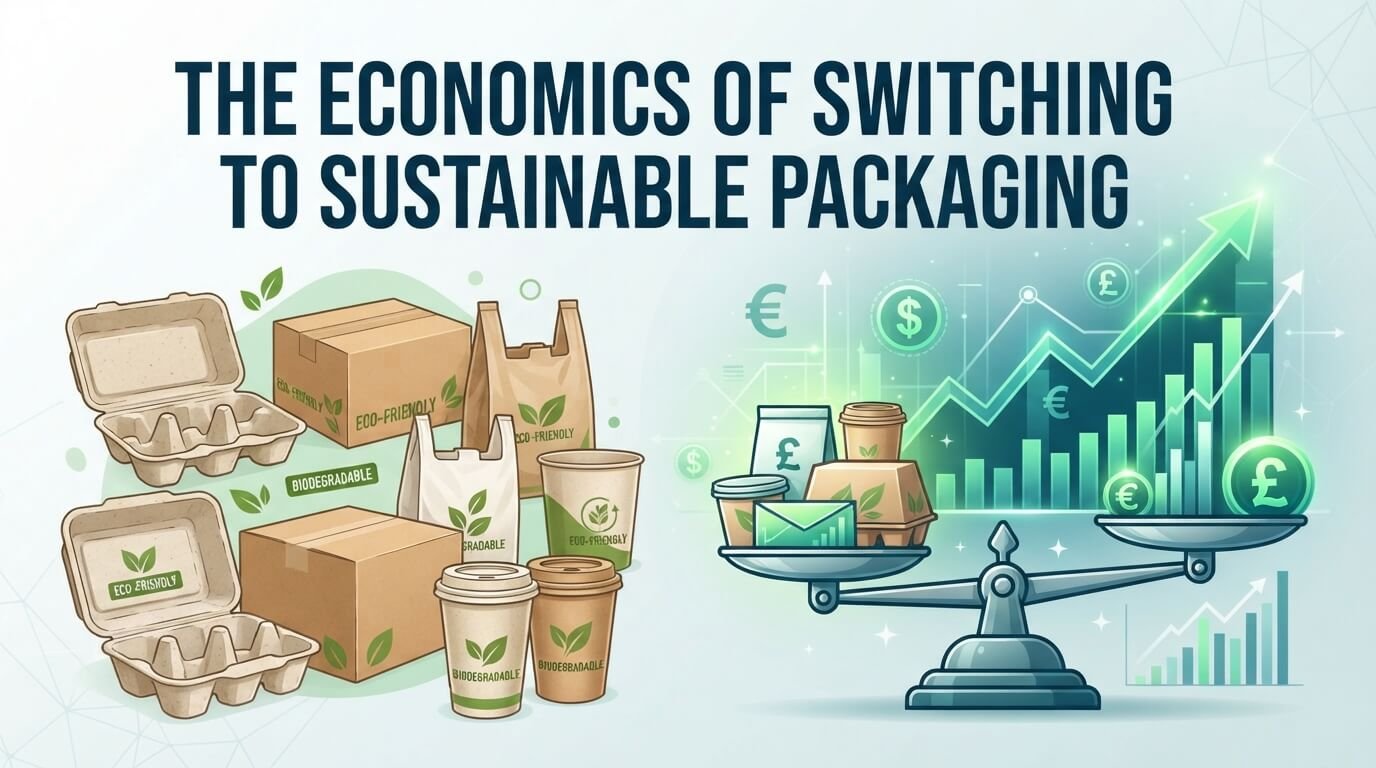
While sustainable packaging materials like bagasse, kraft paper, and bamboo may have a higher upfront cost compared to traditional plastic, the total cost of ownership tells a different story. When you factor in regulatory compliance, brand reputation, and customer loyalty, the economics become much more favorable.
Direct Costs
- Materials: Premium biodegradable packaging costs 20-40% more than plastic alternatives.
- Storage: Sustainable materials often have a longer shelf life, reducing waste.
- Disposal: Lower waste management fees compared to plastic.
Indirect Benefits
- Brand Premium: 73% of consumers are willing to pay more for sustainable products.
- Customer Loyalty: Eco-conscious customers are more likely to become repeat buyers.
- Regulatory Compliance: Avoid potential penalties as plastic bans are implemented.
Real-World Savings
Businesses that have switched to sustainable packaging report significant long-term savings. For example, our Bulk Savings program offers discounts of up to 40% on orders of 1,000+ pieces, making the transition more affordable than ever.
ROI Calculations
Based on our analysis with partner restaurants and food businesses, the average return on investment (ROI) for switching to sustainable packaging is achieved within 6-12 months. When you factor in the positive brand perception and customer retention, the financial case becomes compelling.
Getting Started
Start with a pilot program—test sustainable packaging with a small portion of your menu. Gather customer feedback and monitor costs. Use our tiered pricing to scale up as you gain confidence.
Ready to calculate your savings? Contact us for a custom quote tailored to your business needs.